Trans Day of Remembrance 20th November 2025
Organized By “Hijra, intersex, trans, LGBTQ+, and gender-diverse communities and their families, allies, and well-wishers”
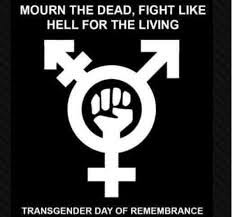
Account of the event, published on Facebook on 25th November 2025, by one of the organizers Nirnoy Islam:
“Our friends started gathering near the TSC area from 7pm onwards. At 8pm protesters gathered at Raju Sculpture and started lighting candles. Bangladesh Khelafat Chatro Majlish, Dhaka University started their protest on the Port Deal and neocolonialism on one side while the candles were being lit. Raju has a large space to stand so it made sense for two protests to happen side by side. Throughout the protest multiple members of police and intelligence came to inquire and investigate, and there was resistance from the DU Proctorial Team.
After lighting the candles, the banner was hung, Hasib started the protest as the convener. Around 35 of us attended the vigil and paid respect to our comrades, family, friends, loved ones who are Hijra, trans, intersex, LGBTQIA+, or of the gender diverse community who have been killed or pushed towards death, by suicide, who have left us too soon. In honor of those we lost, we made a list of demands, to honor those who are living, struggling to survive, dream of living in dignity and our fallen friends. Veteran trans activist Joya Sikder read out the demands. As she started speaking, the protest next to ours started spewing hate speech, about how there is no space in Bangladesh for perverts, trans people, gay people and that these are forms of neocolonialism. They kept yelling throughout. And we peacefully continued our protest. LGBTQIA+ activist Muntasir Rahman remembered Utsho, a courageous trans woman. Nasrin Siraj also spoke about the importance of remembering the dead, and the need for solidarity for resilient movements. Throughout this time, the verbal assault from the protest beside us had started escalating. The reporters, who were covering that protest, mainly, carelessly took Muntasir to the center of the mob to give his byte at which point they started chanting and trying to intimidate him. Since it is winter and fires might catch easily, our group even took the time to light out the candles before leaving.
Sorbomitra Chakma and a team of DU students tried to intervene, to “scatter” both protests, but ours was done and we were already leaving. Using the entry of Sorbomitra and interview of Muntasir as a starting point for the chanting, they began yelling “pervert’, “sleaze”, “homosexual” at the last few of us, who were getting ready to leave. The visual narrative that got circulated was as if our protest had only two people, since the majority stood in front, and that we were violently chased out of DU as outsiders, while there were DU students who were actively a part of the vigil, and successfully negotiated with the proctorial team. Sorbomitra Chakma later apologized to Muntasir. So far the video coverage of the event has been nothing short of rage bait, and hilarious.
Among those present were Md Hasibur Rahman, Amina Sultana Sonia, Joya Sikder, Nasrin Siraj, Faysal Zaman, Muntasir Rahman, Sumi Anjuman, and many others who made the vigil possible.
In a democratic country that celebrates pluralism, we thought it was important to share the space with them. We were respectful, ignored them mostly, but it is unfortunate that they felt the need to spew hate towards the organizers. Many of us had hoped to speak because the chaos at Raju made it difficult to hold a moment of silence, or sing in remembrance of the dead.”
Ms Joya Sikder, read out the following which is a Google Translated version of the original Bangla text linked here See here for the Bangla Version
Political Manifesto of Hijra, Koti, Transgender, Intersex and Gender-Diverse Communities of Bangladesh
We are the Hijra, Koti, transgender, intersex and gender-diverse people of Bangladesh. For hundreds of years, we have survived the scars of colonial oppression, humiliation, and violence. We are the people who have lived with the desire to be recognized as citizens since the birth of Bangladesh. We form our own communities—communities that society pushes to the margins, communities that are continually excluded and oppressed within state structures.
We were—and still are—present in the liberation struggle and the war of independence, in human rights movements, feminist movements, democratic movements, and student movements. We exist from the hills to the plains, from the coastal belts to the deep forests. We are among Adivasi peoples, religious minorities, persons with disabilities, Harijon, Dalit, tea workers, and Bede communities. We live among both minorities and majorities. We are your brothers, sisters, and relatives.
Yet only because of our gender expression, sexual diversity, and bodily variation, we have been turned into a minority.
In recent times, the violence and systemic persecution against gender-diverse people in Bangladesh are not isolated incidents; they reveal the collective expression of the state, society, public moral panic, and entrenched power structures. From 2024 until now, 15 transgender, Hijra, and LGBTQI+ individuals have been pushed into unbearable social pressure, hatred, exclusion, and organized anti-trans campaigns—conditions that left them with no option but suicide.
The active participation of our communities in the mass student–citizen movement symbolized a promise of a democratic future. Yet the post-movement redistribution of power turned gender-diverse people into targets of brutal retaliation. Five Hijra settlements were attacked and set on fire; homes were looted and burned; seven people were publicly killed; hundreds of trans people lost their jobs; and countless trans, Koti, Hijra sex workers and cultural workers face daily systemic violence and isolation in their struggle to survive.
We want to work for the welfare of this state and society, just like all other citizens. We want recognition as citizens, the ability to live with dignity, access to education and employment, and the right to vote and choose our representatives.
We stand here today to remember those Hijra, Koti, trans, intersex, and gender-diverse individuals who sacrificed their lives in the struggle for our rights—and to remind you: join us in the fight to restore our rights. This is your responsibility and duty.
Our Demands
1. Justice for killings & ensuring accountability
Members of our community are frequently subjected to violence, threats, and murder. We demand proper investigation and punishment for every killing, and social protection for all marginalized and diverse groups. Ensuring justice for us strengthens justice for all marginalized people.
2. Recognition of voting rights & citizenship
The current voter list is unrepresentative. Only 1,234 people have been included as “third gender.”
We demand accurate counting and inclusion so that Hijra, Koti, trans, and other gender-diverse communities can exercise equal voting rights and political participation—this principle must apply to all marginalized communities.
3. Equal access to education & employment, including quota
We demand quota-based opportunities and necessary support in education and government employment to ensure equal participation. This should be part of an inclusive national policy benefiting all marginalized populations.
4. Right to marriage & family formation
Every person has the human right to marriage and family life. We demand equal recognition of marriage and family rights so that gender-diverse people can live socially recognized and safe lives.
5. Health & mental well-being
We demand non-discriminatory healthcare, mental health support, and sexual health services. Hospitals, clinics, and public healthcare systems must be open and inclusive for all.
Intersex individuals must have autonomy, respect, and freedom in medical decisions.
6. Identity documents & legal gender recognition
We demand:
Legal gender recognition for transgender people
Freedom to update gender markers on NID, educational records, and government documents
Inclusion of distinct options: transgender woman, transgender man, and non-binary
A simplified and accessible gender-change procedure
These are essential for full citizenship, social recognition, and personal freedom.
7. Safety & legal protection
We demand special laws, protocols, and sensitized security forces to prevent violence and harassment against gender-diverse communities, ensuring safe living conditions for all marginalized people.
8. Government Commission for Welfare & Human Rights
We demand the establishment of a government commission ensuring welfare, rights, and safety for our communities, along with policy support for other marginalized and minority groups.
9. Constitutional recognition
We demand recognition of Hijra, Koti, trans, and gender-diverse communities in the Constitution of Bangladesh—so that legal citizenship, safety, and equal opportunity are guaranteed.
10. Cultural rights
We demand recognition and space for practicing our community’s culture, heritage, art, and performance traditions. Government, educational institutions, and social initiatives must acknowledge our cultural contributions to national diversity and richness.
11. Religious & spiritual freedom
We demand freedom to practice religious rituals, spiritual traditions, and personal beliefs safely and with dignity.
12. Participation in political processes
We demand equal opportunities to participate in political programs, parties, movements, and policy-making. Our communities must be represented in political decision-making processes.
13. International participation & policy alignment
We demand representation in international human rights platforms to align our policies, experiences, and innovative solutions with global standards.
14. Clear commitments in election manifestos
Political parties must include clear commitments regarding our rights and equal opportunities in their election manifestos. They must publicly declare how they will protect and promote our welfare if elected—so that we can cast our votes with informed confidence.


Leave a Reply